Explore the Enchanting Story of Storybook Architecture

California holds a fascinating architectural gem within its vibrant history – the Storybook style. This whimsical architectural style, which emerged in the 1920s, takes one on a magical journey back to medieval Europe with its fairytale-like cottages and fanciful design elements.
The Storybook style, also known as the Fairy Tale or Hansel and Gretel style, originated in the 1920s, a period marked by a fascination with cinema and a desire for escapism. The end of World War I brought about a renewed sense of optimism and a yearning for whimsy and fantasy. Hollywood, the epicenter of the film industry, played a pivotal role in popularizing this architectural style. Skilled in crafting fantastical landscapes for the silver screen, movie set designers began applying their creativity to residential buildings, giving birth to the Storybook style.

Storybook homes are like fairy tale pages, each with unique charm and whimsy. Common features include:
California is dotted with Storybook-style buildings, each telling its enchanting tale. Notable examples include:

The popularity of Storybook architecture was relatively short-lived, waning by the end of the 1930s. However, the style has seen a resurgence in interest, with preservationists and enthusiasts seeking to maintain these whimsical structures. Storybook homes' uniqueness and artistic value have been increasingly recognized, leading to efforts to preserve them as important cultural and historical artifacts.
The Storybook style is a testament to the human desire for whimsy, fantasy, and escapism. These enchanting structures, nestled in the heart of California, continue to captivate the imagination and offer a glimpse into a whimsical, bygone era. As we walk past these architectural marvels, it's hard not to be transported into a fairy tale, reminding us of the enduring power of storytelling and the magic of architecture.
As the preservation of Storybook architecture continues, these structures stand not just as mere buildings but as storied monuments to California's rich and imaginative history. They remind us that architecture is about creating spaces to inhabit and crafting tales and dreams in stone, wood, and stucco. The Storybook style, with its unique blend of whimsy and historicity, ensures that past stories continue to enchant and inspire generations to come.
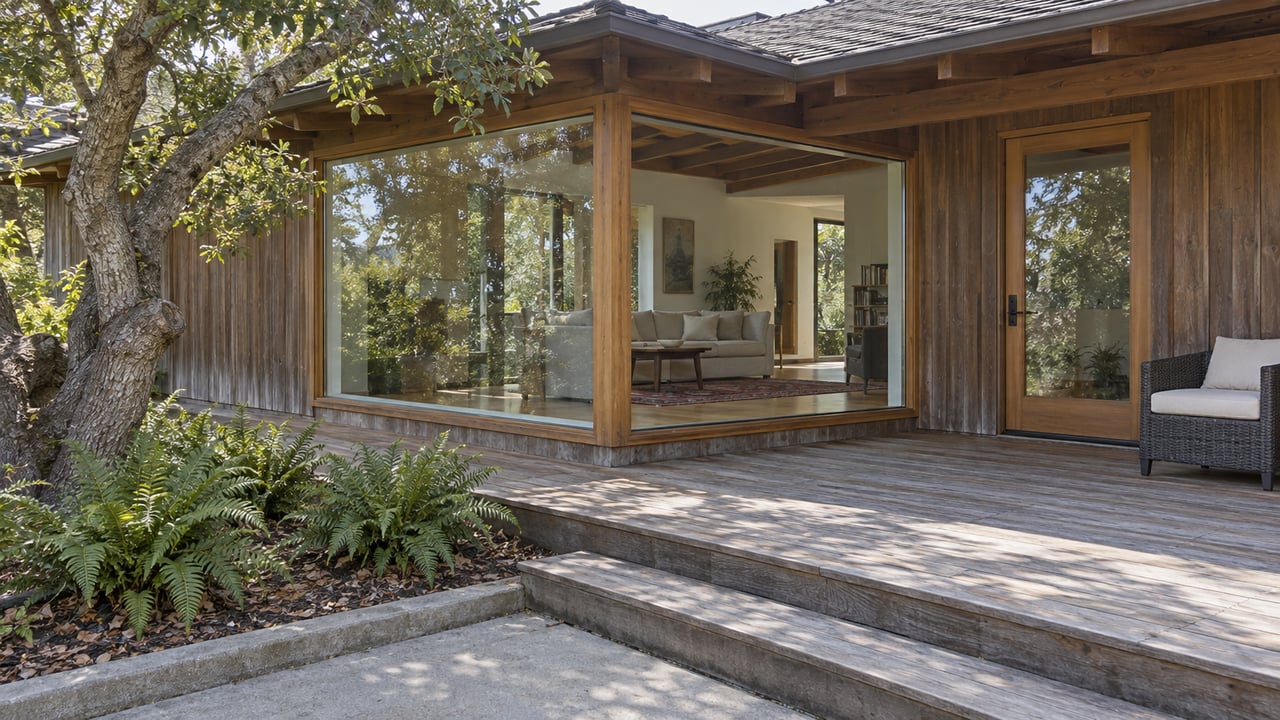
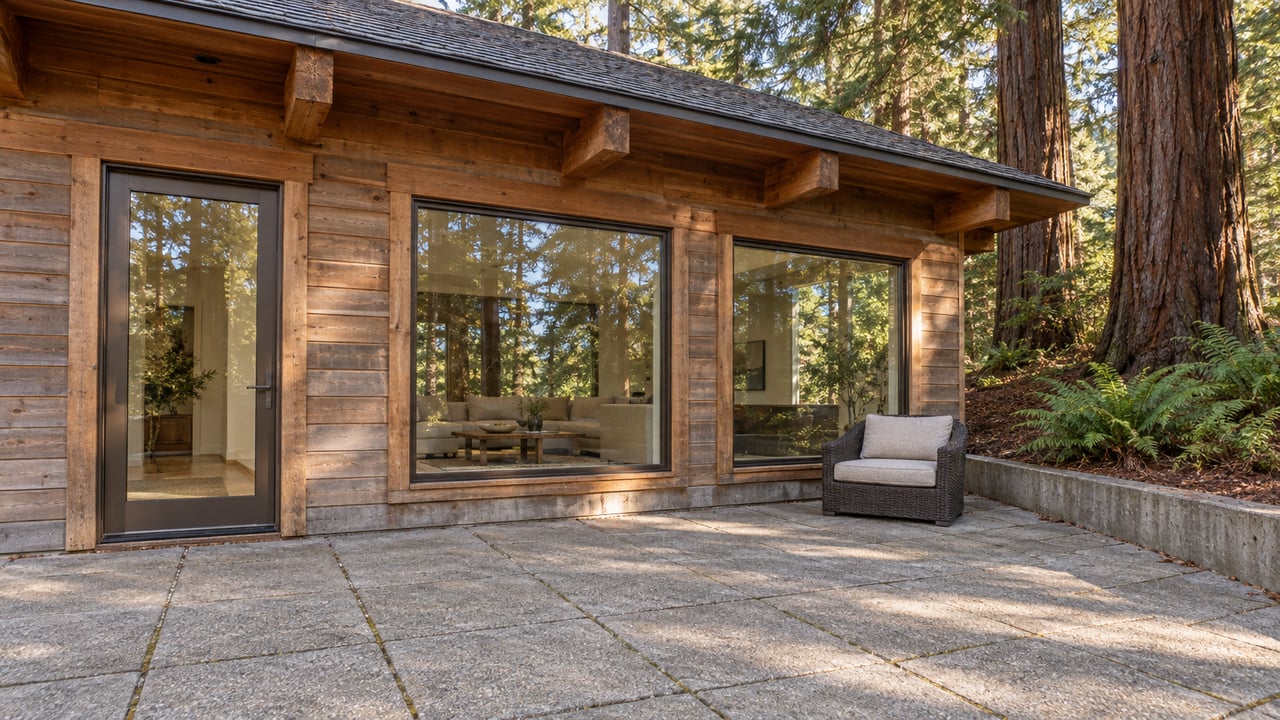
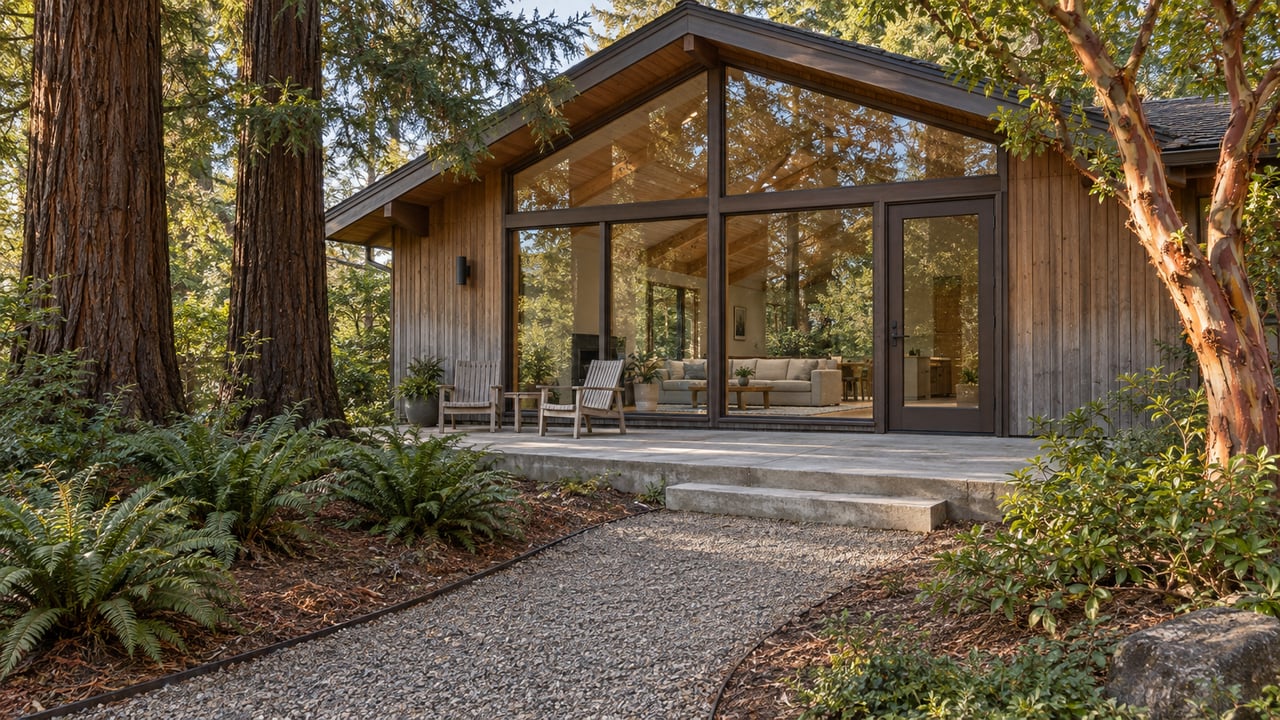
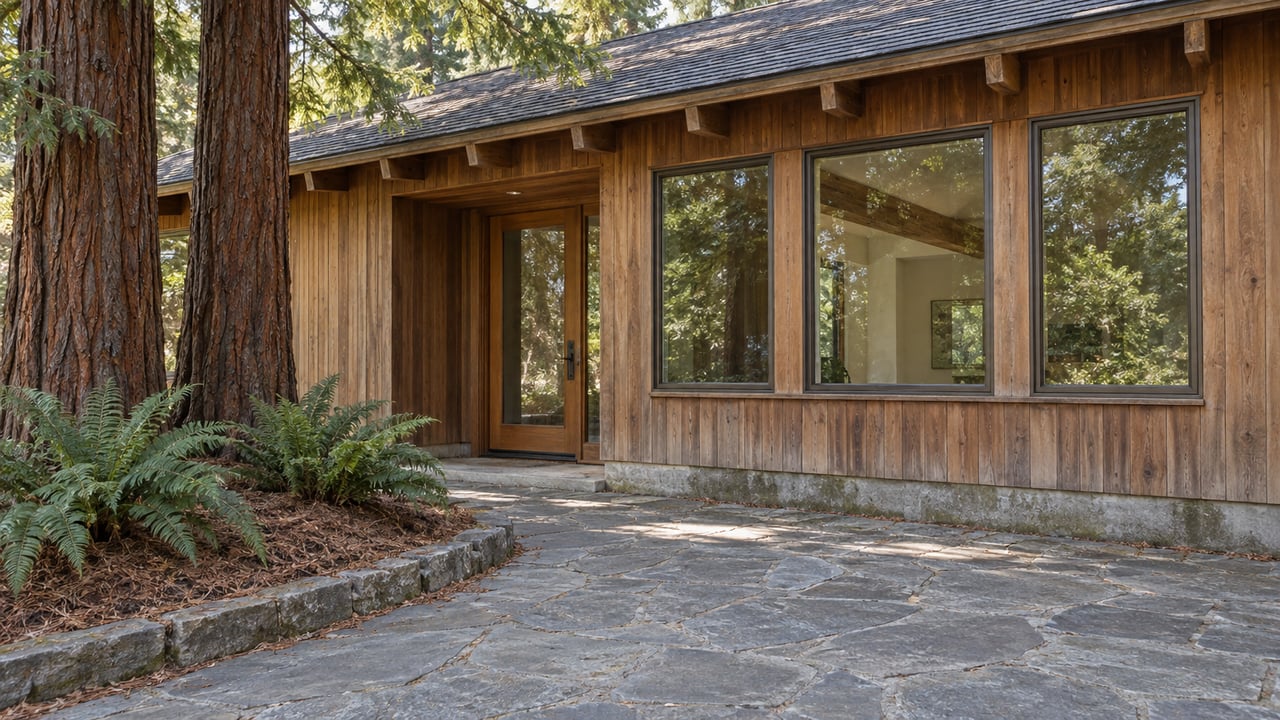
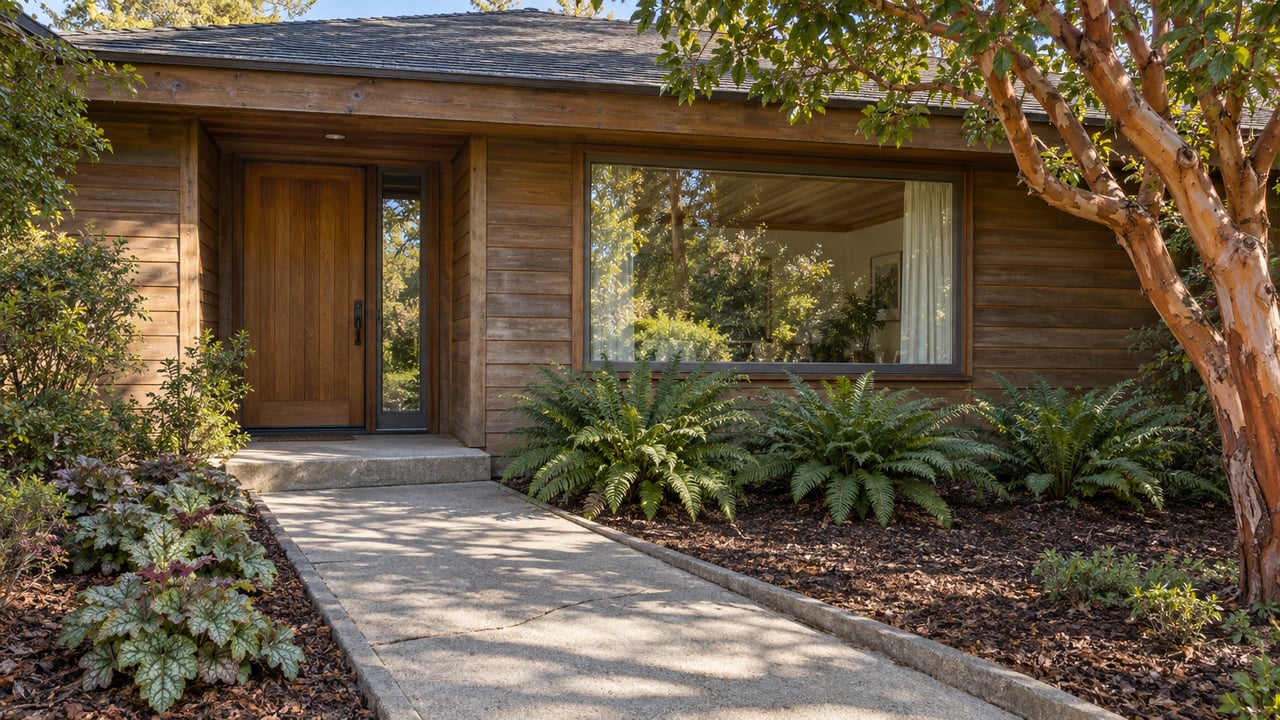
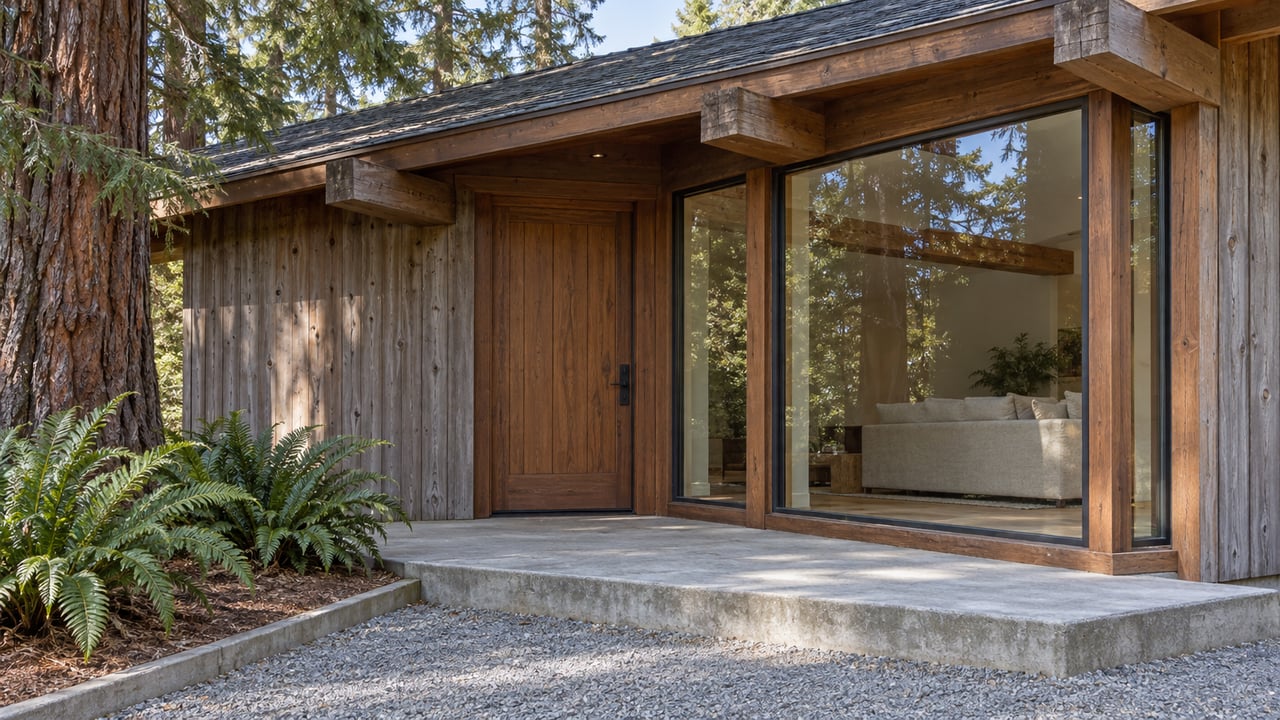
This Blog Post features images from Santa Cruz’s own iconic home 11025 Alba Rd, Ben Lomond, for sale now https://11025-alba-road.roomsantacruz.com/
The tale above traces where Storybook architecture came from and where its best-known homes stand in Southern California and Berkeley. This section adds what it leaves out: the Central Coast’s own fairytale cottages in Carmel-by-the-Sea, how to recognize the style, what to check before buying an older character home in Santa Cruz County, and where to look. If a particular home has caught your eye, our team at Room Real Estate can help, and you can always browse Santa Cruz County homes for sale.
The Central Coast has its own Storybook story. In 1924, builder Hugh Comstock completed a small cottage in Carmel-by-the-Sea as a showroom for his wife Mayotta’s handmade Otsy Totsy dolls. His whimsical style drew commissions quickly, and he became the go-to builder for these homes. Visit Carmel, the village’s destination site, lists his cottages with dates and locations. Here are six of them.
Cottage | Builder and year | Location | What to know |
|---|---|---|---|
Hansel and Gretel | Hugh Comstock, 1924 to 1925 | Torres St. between 5th and 6th Aves. | Comstock’s first and third houses. Hansel was built as a showroom for his wife’s dolls, and Gretel followed the next year. |
Ober Cottage | Hugh Comstock, 1925 | Torres St. and 6th Ave. | A post adobe home built with native materials and only lightly altered over the decades. |
The Tuck Box | Hugh Comstock, 1926 | Dolores St. between Ocean and 7th Aves. | Built as The Hobby House shop and described as probably the most photographed structure in Carmel. |
Marchen Haus | Hugh Comstock, 1926 | Dolores St. and 11th Ave. | One of his largest cottages, in his signature Tudor Storybook style. |
Fables and Honeymoon cottages | Hugh Comstock, 1928 | Santa Rita St., near Ocean and 6th Aves. | Two of five cottages built for one investor as an English garden-like complex. |
Curtain Call | Hugh Comstock, 1929 | Junipero St. between 2nd and 3rd Aves. | Built near the end of his fairytale period, before he moved on to California Ranch House style. |
Source: Visit Carmel’s Fairytale Cottages listings. Dates and locations come from that page.
Be a good neighbor
Most of these cottages are private homes and businesses. Visit Carmel asks visitors to respect them, so enjoy them from the street.
Our team works across the Central Coast and Bay Area, and our Carmel-by-the-Sea location sits at the northwest corner of Ocean Avenue and Mission Street. For the surrounding area, see our Monterey neighborhood guide, home buying tips for Monterey and scenic drives for home seekers.
Architecture writer Arrol Gellner describes three traits that set classic Storybook homes apart from other 1920s revival styles: a playful, exaggerated take on medieval forms, deliberate aging, and a sense of whimsy. In person, that usually shows up in four places.
Roofs
Sweeping, rolled or wavy
The Hobbit Houses in Culver City are known for sweeping shingled roofs, and the Spadena House in Beverly Hills has a wavy roofline. Look for rolled eaves and irregular edges rather than crisp, straight ones.
Source: Los Angeles Conservancy.
Masonry
Clinker brick and aged stone
Clinker-brick chimneys, like those on the Hobbit Houses, give a newly built home an aged look. Rough stone and textured plaster do the same job.
Aged materials are one of the style’s defining tricks.
Windows
Small diamond panes
Diamond-paned windows are a signature detail of the style and appear throughout the Hobbit Houses. Doors and windows may be deliberately irregular.
Check their condition during an inspection.
Setting
A garden to match
Gardens are part of the picture. Carmel’s Fables and Honeymoon cottages were planned as an English garden-like complex, and the Spadena House is known for its English-style gardens.
Mature plantings are part of the upkeep.
A search tip
Santa Cruz listings sometimes describe 1920s homes as “Storybook Tudor.” Try that phrase alongside “cottage” and “Tudor Revival,” and ask your agent to watch for several terms, since the styles overlap.
Older, hand-built homes reward careful homework. This six-step check covers the questions that matter most in Santa Cruz County. It is general information, not legal, tax or inspection advice, so confirm details with your agent and the agencies named.
Check the historic status
The County of Santa Cruz keeps an Inventory of Historic Resources for the unincorporated areas, and the cities run their own programs. If a building is more than 50 years old and not on the inventory, the County asks owners to contact its historic resources planner before remodeling or demolishing it. See the County’s guidance.
Learn what changes need approval
For a designated historic resource, exterior work generally goes through the County’s Historic Resources Commission, with exceptions for painting and ordinary maintenance. Designated properties may also use the California Historical Building Code, which allows more flexibility for repairs.
Pull the permit history
The County offers a free parcel report with permit history. Compare it with what you see to spot additions or changes that may not appear in the record.
Inspect the signature details
Hire inspectors who know older homes, and ask about roofs with rolled or wavy edges, clinker-brick or stone chimneys and diamond-paned windows. These hand-built details can need specialist repair.
Ask about sewer, fire zone and insurance
In the County’s sanitation districts, a sewer lateral video inspection is required at sale, so ask for the report. If the home is in a High or Very High Fire Hazard Severity Zone, the seller must provide defensible space documentation unless both sides agree in writing that the buyer will obtain it within a year, and your insurer may have its own roof and exterior requirements. Our guide to fire hardening a home explains what buyers look for.
Ask about incentives
California’s Mills Act lets participating cities and counties offer property tax relief to owners of qualified historic properties who commit to preserving them. Each local government decides whether to take part, so ask your agent and check with the California Office of Historic Preservation.
General information only. Consult your agent, the agencies linked above and a tax professional for your situation.
Character shows up in different forms across the county. Each card pairs a style of home with the guides that describe the area.
Historic blocks
Downtown Santa Cruz
Our guide notes several blocks of historical homes and a wide mix of architecture.
Old-school charm
Soquel
A walkable village with a California-rustic feel, according to our guide.
Mountain character
Boulder Creek, Felton and Ben Lomond
Redwood-country homes, including what our guide calls character-rich mountain properties in Boulder Creek.
Boulder Creek guide
Felton guide
Ben Lomond guide
Mountain living in Felton
Beach cottages
Pleasure Point and Capitola
Coastal neighborhoods, with a buying guide for beach bungalows.
The fairytale coast
Monterey and Carmel
Home to Comstock’s cottages, with local guides to the Monterey area.
Other distinctive styles
Eichler and dome homes
More one-of-a-kind architecture from our blog.
Ready to search? Browse Santa Cruz County homes for sale, see our exclusive listings, or tell us the style you want and we will watch for it.
Bring this list to your first showing. The answers help you price in the upkeep before you commit.
Explore More With Room Real Estate
Storybook, also called Fairy Tale style, is a 1920s revival style that gives medieval cottages a playful, exaggerated twist. Typical features include sweeping or rolled rooflines, diamond-paned windows and aged-looking masonry. The style faded by the 1930s, and some of its best examples are now protected landmarks.
Hugh Comstock, who built his first cottage, Hansel, in 1924 as a showroom for his wife Mayotta’s handmade Otsy Totsy dolls. Gretel followed in 1925, and he went on to build many more around the village. Visit Carmel lists them with dates and locations.
Yes, from the street. Visit Carmel publishes a self-guided cottage map and asks visitors to respect the private homes and businesses along the route. Our Monterey neighborhood guide covers the wider area.
Santa Cruz County has many homes from the 1920s and other revival eras, and local listings sometimes describe them as “Storybook Tudor.” Because styles overlap, ask your agent to watch for several search terms. Our Downtown Santa Cruz and Soquel guides are good places to start for older homes.
It depends on the jurisdiction and the property’s status. In unincorporated Santa Cruz County, exterior work on a designated historic resource generally goes through the Historic Resources Commission, and owners of older buildings not on the inventory are asked to contact the County’s historic resources planner before remodeling or demolishing. Cities have their own rules, so check your address with the County’s guidance and your agent.
Some owners can qualify through the Mills Act, which lets participating cities and counties offer property tax relief to owners of qualified historic properties who commit to preserving them. Each local government decides whether to take part, and savings vary. This is general information, not tax advice. Start with the California Office of Historic Preservation and talk with our team about homes that may qualify.
Find a home with a story
Tell us the character you are after, whether a Comstock-style cottage, a redwood retreat or a mid-century classic, and our team will help you search.
Stay up to date on the latest real estate trends.
You've got questions and we can't wait to answer them.