What It's Like To Own A Condo In Capitola Village
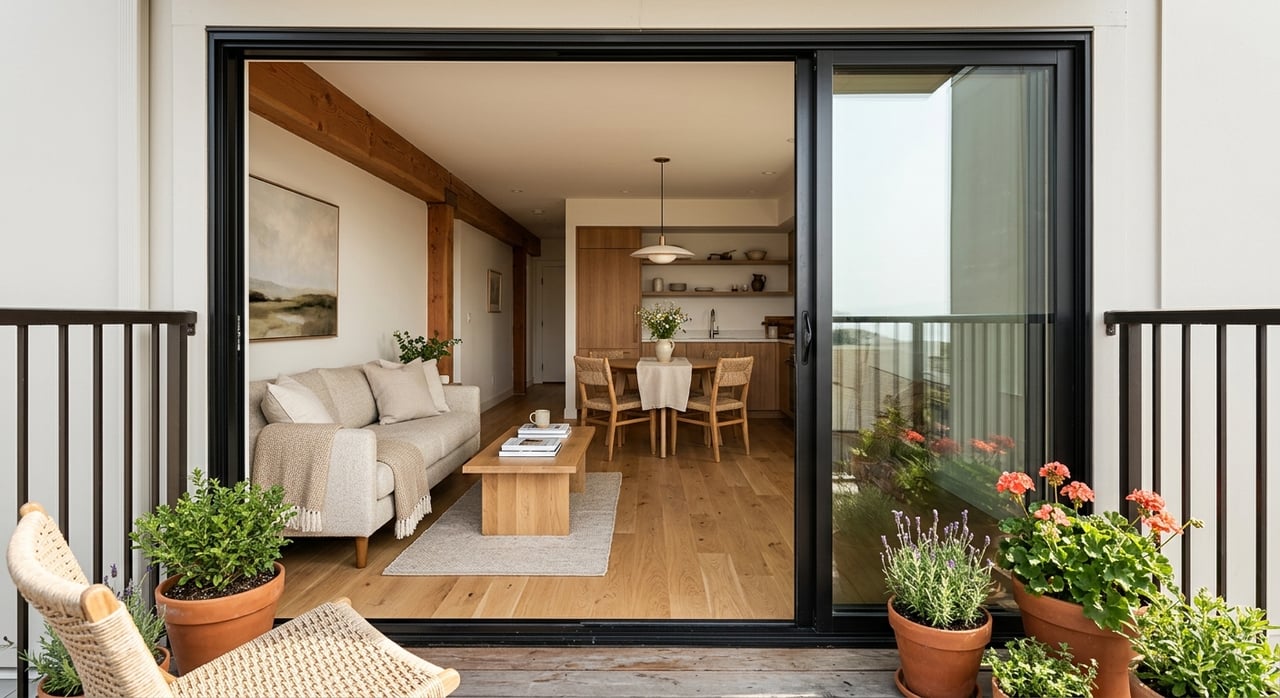
Wondering if owning a condo in Capitola Village feels like a dream beach escape or a daily logistics puzzle? The truth is, it can be both. If you are thinking about buying here, it helps to understand not just the charm, but also the practical tradeoffs that come with condo living in one of Santa Cruz County’s most recognizable coastal spots. Let’s take a closer look at what day-to-day ownership in Capitola Village is really like.
Capitola Village is not a tucked-away condo district. The City of Capitola describes it as a historic beachfront tourist destination with a vibrant commercial district and distinct residential neighborhoods. When you own a condo here, you are buying into a lively, walkable beach-town setting where the beach, wharf, shops, galleries, and restaurants are part of daily life.
That walkability is a big part of the appeal. You can often leave the car parked and spend your day on foot, whether you are headed to coffee, dinner, the sand, or an afternoon stroll along the waterfront. For many buyers, that easy, coastal rhythm is exactly the point.
Capitola also works well for weekend use. The city notes that it is about 35 miles southwest of San Jose and less than two hours from San Francisco. That helps explain why condo ownership here often appeals to both full-time residents and second-home buyers who want a convenient Bay Area getaway.
If you are picturing glass towers and resort-style high-rises, Capitola Village will likely feel very different. Based on the city’s historic context, the area is known for cottages, cabins, modest commercial structures, and a mix of architectural styles such as Craftsman Bungalow, Mission Revival, Spanish Colonial Revival, Colonial Revival, Stick, and other vernacular wood or stucco buildings.
In practical terms, that means Village condos often feel smaller-scale and more integrated into the surrounding neighborhood fabric. The setting is more eclectic and coastal than polished and uniform. For many buyers, that character is a major draw because it feels rooted in place rather than interchangeable.
It also means each building can be a little different. Layout, exterior materials, upkeep needs, and shared-space design may vary more than they would in a newer, master-planned condo community. If you value charm and location over cookie-cutter consistency, that may be a plus.
Living in Capitola Village can be wonderfully convenient in some ways and less convenient in others. The convenience comes from being close to the beach and commercial core. The tradeoff is that you are sharing that same area with visitors, diners, shoppers, and seasonal event traffic.
That matters most when you think about errands, unloading groceries, hosting guests, or managing multiple vehicles. A condo here can support a very easy lifestyle if you enjoy walking and do not expect suburban-style space or parking. It can feel more challenging if you want everything to be simple all the time.
Parking is one of the biggest things to understand before you buy. According to the city’s parking analysis, the Village has historically been parked above capacity during annual summer vacation periods, holiday weekends, and warm summer days. The same analysis says summer roadways are often congested, with demand exceeding capacity.
That does not mean parking is impossible, but it does mean you should treat it as a serious part of your buying decision. If your condo includes off-street parking, that feature may have a big impact on your day-to-day experience. If it does not, you will want to understand exactly how parking works for owners and guests.
The city uses a permit-based system in parts of the Village. Full-time household units with no off-street parking can receive up to two village permits. Full-time units with one off-street space and two or more vehicles can receive one village permit. Part-time units, including vacation rentals and units periodically occupied by non-resident owners, can receive one transferable permit if they have no off-street parking.
These permits can waive the two-hour limit and meter fees in many Village Two Hour Parking Limit areas, though not every space is included. The public parking map also shows a mix of 12-hour, 4-hour, and 3-hour metered zones. That is why it is smart to ask very specific questions about the unit’s assigned parking, permit eligibility, guest parking, and overnight expectations before you commit.
One of the best parts of owning in Capitola Village is that there is usually something happening nearby. One of the hardest parts can be that there is usually something happening nearby. If your condo is close to the core, you should expect an energetic atmosphere, especially during the warmer months.
The city’s event materials list summer programming such as Twilight Concerts, Movies at the Beach, Food Truck Fridays, New Music Sundays, Dueling Pianos, and Capitola Plein Air. The city also notes that concerts fill Esplanade Park and the beach with music throughout the summer. For some owners, that creates a fun, vibrant backdrop. For others, it may feel busier or louder than expected.
Fall can stay active too. The city says the Capitola Beach Festival may impact traffic, and the Capitola Art & Wine Festival brings more than 200 artists and nearly two dozen wineries to the Village. If you love being near local events, this energy can be a real benefit. If you prefer a quieter setting year-round, it is worth visiting at different times of year before buying.
Owning a condo in Capitola Village also means owning within a homeowners association. In California common-interest developments, owners typically become HOA members, follow the association’s rules, and pay fees and assessments. The Davis-Stirling Common Interest Development Act governs areas such as elections, finances, maintenance responsibilities, and dispute resolution.
This is where condo ownership differs from owning a detached house. Some responsibilities shift from you to the association, but not all of them. The details depend on the governing documents and the specific building.
Before you buy, you will want a clear understanding of what the HOA handles and what you handle personally. That includes not only monthly dues, but also how the community plans for repairs, reserves, and long-term maintenance.
For a Capitola Village condo, due diligence should be practical and building-specific. California Department of Real Estate guidance says sellers in a common interest development must provide important disclosure materials, including governing documents, financial statements tied to the budget, reserve account and assessments, approved but not yet due assessment changes, notices of violations, and, if requested, board minutes from the prior 12 months.
As you review those materials, focus on the issues that affect your real ownership experience. Helpful questions include:
The Department of Real Estate also notes that buyers should carefully review CC&Rs, association rules, and architectural guidelines before purchase. Underfunded associations can face financing problems, so the health of the HOA is not a side issue. It is central to the value and usability of the property.
Because Capitola Village sits near the beach and Soquel Creek, location-specific risk is part of the conversation. The city’s hazard planning materials identify coastal storms, flooding, sea-level rise, and a significant 2011 flooding event in Capitola Village. That does not mean every condo faces the same level of risk, but it does mean you should look closely at the specific building and site.
Ask about flood history, drainage improvements, and any building-level concerns that may affect ownership or financing. You may also want to confirm whether the HOA’s master policy or your lender has special requirements tied to the property’s location. These are practical questions, not deal-breakers by default, but they should be answered clearly.
If any part of the HOA documents, insurance language, or assessment terms feels unclear, the Department of Real Estate advises buyers to seek professional advice. That extra step can help you avoid surprises after closing.
Capitola Village condo ownership tends to fit a specific type of buyer very well. If you want a highly walkable second home or full-time coastal base, enjoy being close to restaurants and beach activity, and are comfortable with HOA living, this setup can be a strong match.
It may be less ideal if you want easy parking for multiple cars, a quiet environment in every season, or a lot of private outdoor space. Those tradeoffs are part of what makes the Village feel so active and connected. The right fit often comes down to whether you want to be in the middle of the action or just near it.
Owning a condo in Capitola Village can feel like having a front-row seat to one of Santa Cruz County’s most iconic coastal neighborhoods. You get walkability, beach access, local businesses, and a setting that feels distinctly Capitola. At the same time, you need to go in with clear eyes about parking, seasonal activity, HOA structure, and coastal due diligence.
If you are the kind of buyer who values charm, location, and lifestyle over extra space and total quiet, a Village condo may feel like a great fit. And if you want help weighing the tradeoffs unit by unit, the local details matter.
When you are ready to explore Capitola Village condos with a team that knows Santa Cruz County block by block, connect with Room Real Estate.
Stay up to date on the latest real estate trends.
You've got questions and we can't wait to answer them.