Buying A Beach Bungalow In Pleasure Point
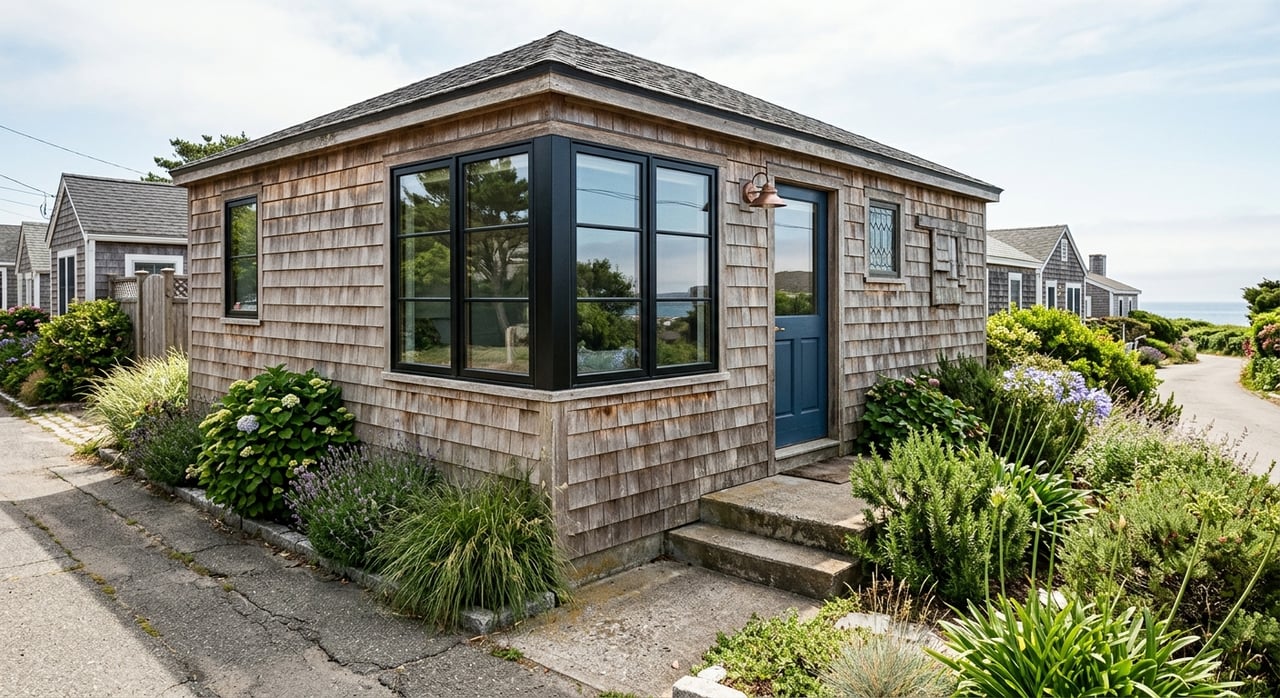
Dreaming about a small house near the water in Pleasure Point? You are not alone. A beach bungalow here can offer the kind of everyday coastal lifestyle many buyers picture, but it also comes with very real inspection, permitting, and location-specific questions. If you are thinking about buying in this Santa Cruz County surf neighborhood, this guide will help you understand what makes these homes special, what can complicate a purchase, and what to verify before you move forward. Let’s dive in.
Pleasure Point is an unincorporated Santa Cruz County neighborhood between Moran Lagoon and 41st Avenue along Monterey Bay. County and tourism sources describe it as a classic beachside community with a strong surf identity, and that shapes daily life in a very real way.
This is not just a neighborhood with ocean views nearby. It is a coastal community where shoreline access, surf breaks, East Cliff Drive, and the Portola Drive and 41st Avenue commercial corridor all influence how you live day to day. If you want a walkable, beach-close routine with easy access to the coast, that is a big part of the appeal.
Pleasure Point County Park adds to that lifestyle. The park includes coastal access, surfing, outdoor showers, public art, a vista point, restrooms, and limited parking along East Cliff Drive. For many buyers, that blend of scenery and everyday usability is a major reason to focus their search here.
In Pleasure Point, a beach bungalow usually means an older, smaller home with lots of personality. County planning documents describe the original housing stock as small beach cottages and bungalows built into an irregular street and parcel pattern, which gives the area much of its distinct feel.
You will not find one single look repeated block after block. The neighborhood is known for eclectic architecture, including one-story cottages, porch-centered homes, California bungalows, nautical styles, Spanish Colonial influences, and newer modern houses mixed in between.
A lot of this residential character traces back to the 1920s and 1930s summer beach-cottage era. That age and charm can be a huge draw, especially if you love homes with history, compact footprints, and architectural details that feel rooted in place.
Pleasure Point has a tight housing market with limited inventory and strong demand, according to county planning materials. That matters because it helps explain why even modest older homes can attract serious attention.
You may also see a wide mix of property types at different price points. Some homes remain close to their original cottage form, while others have been remodeled, expanded, given second stories, or fully replaced with larger structures.
That side-by-side contrast is part of the neighborhood now. When you shop here, you are often comparing not only location and lot size, but also how much of the original house remains and what level of renovation or rebuilding has already taken place.
Buying near the coast means your inspection strategy matters even more. In Pleasure Point, moisture, salt air, and age can all affect a home’s condition, especially if the property is older or has had multiple additions over time.
Pay close attention to the roof, drainage, foundation movement, crawlspace or underfloor moisture, window condensation, and any visible signs of mold or wood decay. Moisture control is especially important because it is the key to preventing mold problems, and wet materials should be dried quickly after leaks or water intrusion.
For wood-destroying pest inspections, drywood termite evidence can include feeding damage, shed wings, fecal pellets, and kickout holes. In an older bungalow, these details matter because deferred maintenance in one area can affect several others.
A careful inspection process can help you understand whether you are buying charm, a project, or a mix of both. That clarity is especially useful in a neighborhood where homes often have long histories and unique construction patterns.
One of the biggest location-specific issues in Pleasure Point is bluff and shoreline risk. County documents state that the East Cliff bluff area has experienced ongoing erosion and cliff retreat, and past cliff failures have threatened roadway access and underground utilities.
Even after stabilization work, county planning materials note that existing ocean-side homes may continue to face risk from cliff erosion and retreat. If you are looking at a property close to the bluff or ocean side of East Cliff, this is not a minor detail. It should be part of your review from the very beginning.
Sea-level rise adds another layer of risk over time. State coastal science says it can increase flooding, inundation, wave impacts, coastal erosion, and saltwater intrusion into groundwater supplies. For buyers, the practical point is simple: location within the neighborhood matters a lot.
Flood exposure is another important piece of due diligence. Coastal flood maps may include VE, AE, and AO zones, and those designations can carry different building and insurance implications.
It is also important to know that flood insurance is separate from homeowners insurance. In Santa Cruz County, projects in a Special Flood Hazard Area must comply with county codes, building codes, and FEMA rules.
Before closing, verify the property’s flood-map status and ask how that status may affect insurance, future improvements, and long-term ownership costs. A bungalow near the water can be incredibly appealing, but you want the full picture before you commit.
If you are buying a bungalow with plans to remodel, expand, or rebuild, Pleasure Point is a place where you need to do your homework early. County zoning guidance says the Pleasure Point Combining District has additional requirements and allowances, and county coastal rules can require a Coastal Development Permit for projects in the coastal zone.
Some coastal approvals are also appealable in specific areas, including development between the sea and the first public road, within 300 feet of the inland extent of a beach, or within 300 feet of the seaward face of a coastal bluff. In other words, location on the map can directly affect your project path.
County guidance also says projects must meet design criteria intended to promote harmony, limit grading and tree cutting, and fit the local coastal land use plan. That means your future plans should be evaluated based on the actual parcel, not just on what a nearby home appears to have done.
With older bungalows, age itself can affect what happens next. Santa Cruz County says buildings more than 50 years old that are not on the Historic Resources Inventory may still trigger historic review before demolition or a major remodel.
That does not mean every older house is off-limits for change. It does mean you should avoid assumptions if your goal is to significantly alter or replace the structure.
The county also notes that homes built without a coastal permit may need a first-time coastal permit later if they are remodeled or rebuilt. This is one more reason to review permit history carefully during your due diligence period.
Even work that seems modest can require a Coastal Development Permit in certain situations. County FAQ guidance says that can include projects on a beach or wetland, within 50 feet of a coastal bluff, involving more than 100 cubic yards of grading, or on a steep slope.
For buyers, this can affect how you value a property. A home with “potential” may still be a great fit, but the path to unlocking that potential could be more involved than expected.
The appeal of Pleasure Point is easy to understand. You get a beach-close, surf-centered setting with access to shoreline parks and walkable amenities around Portola Drive and 41st Avenue.
At the same time, county planning materials point to narrower local streets, limited rights-of-way, and summer parking pressure tied to beach visitors. Parking at Pleasure Point County Park is limited to East Cliff Drive, which reinforces how access and circulation can feel different here than in less coastal neighborhoods.
For many buyers, this is a worthwhile tradeoff. If you are drawn to the daily rhythm of the coast, these practical realities may feel like part of what makes the neighborhood authentic rather than inconvenient.
Utility setup is worth checking on a parcel-by-parcel basis. The Santa Cruz County Sanitation District serves Live Oak, the City of Capitola, and portions of Aptos and Soquel, so buyers should verify the utility setup for a specific Pleasure Point property rather than assuming every street works the same way.
This is a small step, but it can save confusion later. In an area with older homes and varied infrastructure patterns, details matter.
If you are serious about buying a beach bungalow in Pleasure Point, the smartest approach is to balance emotion with diligence. The surf-town setting, cottage character, and coastal access can be incredibly compelling, but this is also a regulation-sensitive and condition-sensitive market.
A strong purchase strategy usually includes:
The right bungalow can offer a rare mix of character and coastal living. The key is knowing what you are buying, what it may require over time, and how the specific property fits your goals.
If you are exploring Pleasure Point and want grounded local guidance on how a specific home, block, or remodel scenario fits into the bigger picture, Room Real Estate can help you navigate the details with a neighborhood-first approach.
Stay up to date on the latest real estate trends.
You've got questions and we can't wait to answer them.