Condo And Townhome Living In Downtown Santa Cruz
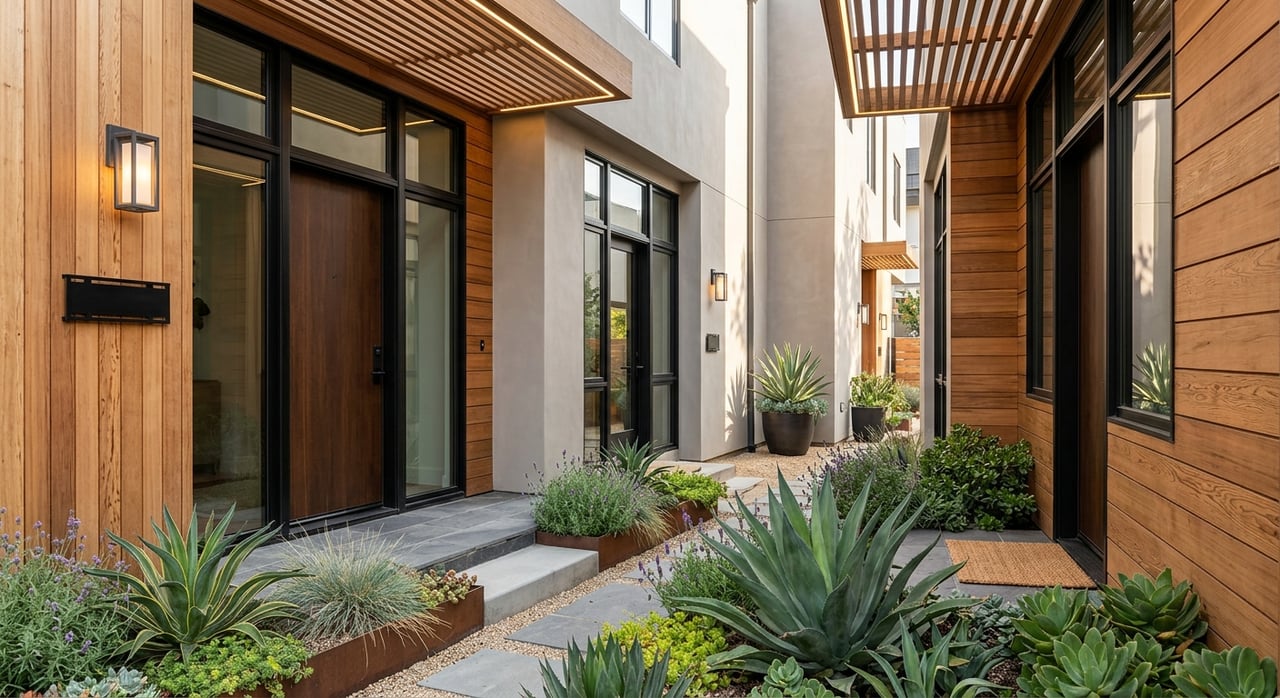
If you want a home base that puts coffee shops, errands, the farmers market, and the beach within easy reach, downtown Santa Cruz attached living can be hard to ignore. Still, buying a condo or townhome here is not the same as buying a detached house, and that difference matters more than many buyers expect. When you understand the housing mix, the ownership structure, and the day-to-day tradeoffs, you can decide whether this lifestyle truly fits your goals. Let’s dive in.
Downtown Santa Cruz has a layered housing pattern shaped by both historic residential areas and newer infill development. The City describes the Downtown Neighborhood Historic District as the oldest residential area in Santa Cruz, with homes dating from the 1860s through the early 20th century. In the core commercial area, the Downtown Plan guides development rather than the city’s newer general multifamily standards.
For buyers, that means the attached-housing stock is not one-size-fits-all. You will generally find three types of options: newer mixed-use condo buildings, smaller condo projects, and a limited number of townhome-style communities on or near the downtown grid. Each offers a different balance of privacy, amenities, and maintenance responsibility.
Some newer downtown buildings are larger and more amenity-driven. City project pages show a 7-story mixed-use building planned on Pacific Avenue with 64 residential condominium units, while Pacific Station South is a 7-story mixed-use redevelopment with 70 affordable apartments plus commercial and amenity space. These projects reflect the denser, more urban side of downtown living.
At the smaller end of the market, some condo buildings offer a more boutique feel. Recent listing examples describe features like elevators, private decks, deeded parking, storage, and in-unit laundry. In larger condo buildings, buyers may also see amenities like secured access, a gym, a pool, underground gated parking, and HOA coverage for items such as garbage and sewer.
Townhome options exist too, but they are generally less common than condos downtown. Recent examples include homes with private patios, common garden areas, two-car garages, and multi-level layouts. If you want more separation from neighbors and a more house-like floor plan, a townhome may be the better attached option to explore.
The biggest draw is convenience. Walk Score identifies Downtown Santa Cruz as the city’s most walkable neighborhood, with a Walk Score of 97, a Transit Score of 49, and a Bike Score of 97. If your ideal day includes leaving the car parked and getting around on foot or by bike, downtown stands out.
That convenience is not just theoretical. The downtown association highlights easy car-free errands, access to the Santa Cruz METRO hub, the San Lorenzo River Walk, and direct walking and biking routes to the beach and the Tannery Arts Center. For many buyers, that changes the feel of everyday life in a meaningful way.
The amenity base is also unusually dense for a small coastal city. The City’s Downtown Farmers’ Market takes place every Wednesday from 1:00 to 5:00 p.m. at Church and Cedar Streets. That kind of recurring, practical destination can make downtown ownership feel more connected to your weekly routine.
Public space improvements are part of the story as well. The City’s Downtown Play and Paseos project is designed to turn service lanes and alleys into more pedestrian-friendly places with wayfinding, plantings, art, outdoor dining opportunities, a pet circuit, and a market plaza. For buyers thinking long term, these investments may strengthen the appeal of a walkable downtown lifestyle.
Before you fall in love with the location, it helps to understand what you are actually buying. In California, condos and many townhomes are common interest developments. That means you usually own your unit while sharing ownership or use of common areas and facilities with other owners.
This is one of the biggest differences between attached living and detached-home ownership. The home itself may feel private, but parts of the property and parts of the financial picture are shared. The homeowners association, or HOA, becomes part of the asset you are buying.
That is why HOA details deserve the same attention as the kitchen, floor plan, or parking setup. Your monthly dues, the condition of common areas, and the association’s financial planning can directly affect both your experience and your long-term costs. In attached housing, those issues are central, not secondary.
California law requires significant HOA disclosure, and buyers should take that seriously from the start. Under Civil Code section 4525, sellers must provide governing documents, annual budget materials, statements of current regular and special assessments, unpaid fees, unresolved violation notices, certain defect information, and any rental or leasing prohibition found in the governing documents.
Annual budget reports also carry important clues. Under Civil Code section 5300, those reports must include the operating budget, reserve summary, reserve funding plan, special-assessment disclosures, insurance summaries, and FHA or VA certification status for condominium projects. Those are not just formalities. They help you understand the true cost and flexibility of ownership.
A strong practical approach is to review HOA documents as early as possible. If the dues seem manageable but the reserves are thin, or if leasing rules do not match your future plans, the property may not be the fit it first appeared to be. Getting clarity early can save you time, stress, and expensive surprises.
Downtown Santa Cruz condos and townhomes vary a lot from one project to the next. A smart review usually includes these questions:
These questions matter because they shape your monthly costs, your flexibility, and even your financing options. Two homes with similar list prices can feel very different once you factor in dues, assessments, parking, and rules.
Reserve planning is one of the most important parts of evaluating attached housing. California Civil Code section 5550 requires a visual reserve inspection at least once every three years, and section 5570 requires a reserve funding disclosure summary to accompany the annual budget report. This gives buyers a framework for assessing whether an HOA is planning for future repairs.
Why does that matter so much? Because large shared expenses do not disappear just because they are delayed. Roofs, exterior surfaces, elevators, garages, and other common elements eventually need repair or replacement, and underfunded reserves can increase the risk of special assessments.
The California Department of Real Estate buyer guide also notes that HOA dues and assessments can increase over time. For a downtown buyer, the goal is not to avoid every building with dues. The goal is to understand whether those dues seem aligned with the building’s condition, amenities, and long-term obligations.
Parking deserves its own conversation in downtown Santa Cruz. Some attached homes include assigned underground parking, deeded spaces, garages, or permit options, while others may offer less certainty. You do not want to assume your parking needs will work themselves out after closing.
The City maintains 19 downtown parking lots and garages, and some permits are limited to people who work or live in the downtown commercial district. That can be helpful, but it is still important to confirm exactly what comes with a specific unit and what does not. Parking is one of those details that can shape your daily experience more than photos ever suggest.
If you rely on a car regularly, ask direct questions. If you are comfortable with a more car-light routine, parking may feel less critical, especially in a highly walkable area. Either way, clarity matters.
Not always. Downtown Santa Cruz had a median sale price of about $1.055 million over the last three months ending May 2026, with homes selling in a median 15 days. Nearby Central Santa Cruz was essentially the same, while Seabright was about $1.29 million and Beach Hill Historic District was about $1.3 million.
That data suggests downtown attached living is not automatically a deep discount. In many cases, you are making a tradeoff between location, private space, and maintenance. You may gain convenience and a simpler exterior upkeep picture, but not necessarily a dramatically lower price point.
Recent townhome examples support that pattern. A Claremont Terrace townhome was estimated in the high $800,000s, a Chestnut Street end-unit townhome sold for $950,000 in 2021, and a Union Street townhome was estimated above $1.3 million. The range is wide, and value depends heavily on location, size, parking, condition, and HOA structure.
Downtown condo or townhome living tends to work best if you value proximity over lot size. If being near restaurants, markets, transit, and the beach matters more than having a large yard or complete separation from neighbors, the tradeoff may feel well worth it. Many buyers choose downtown because it supports a more flexible, lower-maintenance daily routine.
On the other hand, attached living may feel less appealing if you want more control over the property, fewer shared rules, or more private outdoor space. Buyers who prefer land, privacy, and fewer HOA considerations often lean toward detached homes in nearby neighborhoods instead. Neither option is better across the board. It simply depends on how you want to live.
The key is to match the property type to your priorities, not just the price tag or the photos. In downtown Santa Cruz, the value proposition is often about buying proximity and reducing maintenance, not just spending less.
If you are weighing condos, townhomes, and nearby detached options, a local, property-by-property review can make the choice much clearer. The right fit usually comes down to the details of the HOA, parking, layout, and how you want your daily life to feel. When you are ready to talk through downtown Santa Cruz options, connect with Room Real Estate.
Stay up to date on the latest real estate trends.
You've got questions and we can't wait to answer them.