Everyday Life On Westside Santa Cruz
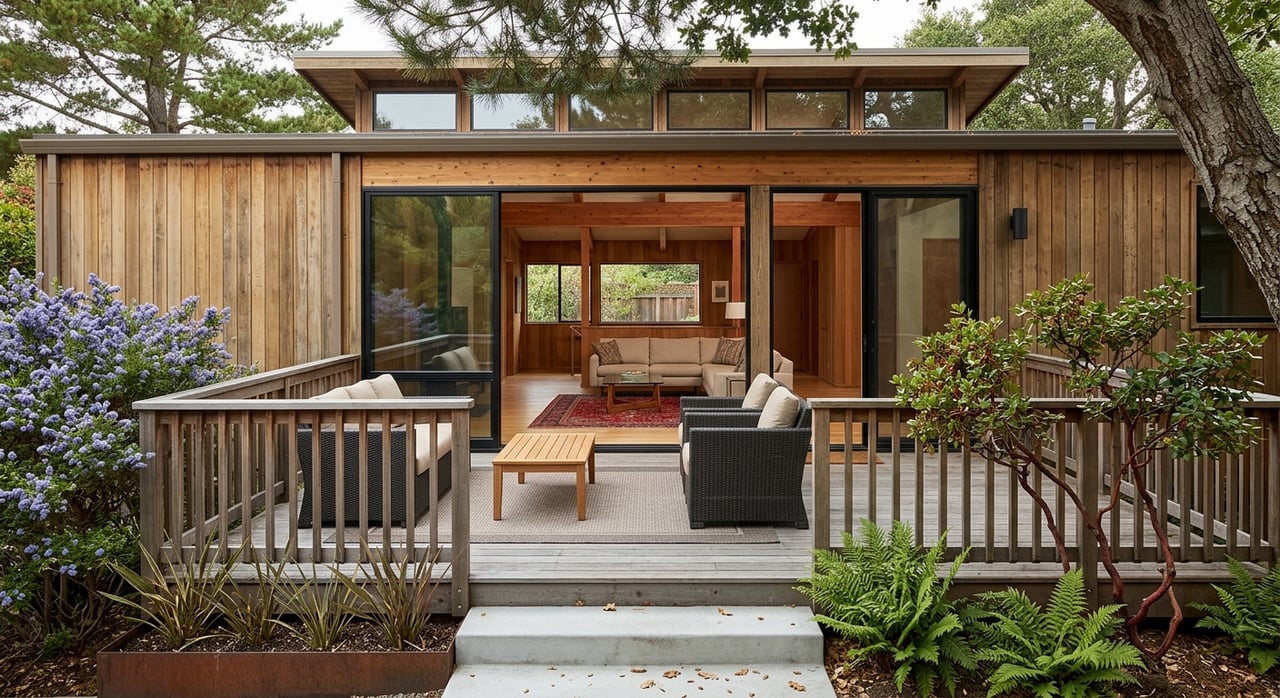
If you picture Santa Cruz as a string of beach towns with one clear center, Westside may surprise you. This part of town feels more like a connected coastal district, where ocean paths, neighborhood parks, everyday errands, and local commercial pockets all shape how you move through the day. If you are thinking about living here, visiting more often, or simply getting to know the area better, this guide will help you understand what everyday life on the Westside really feels like. Let’s dive in.
Westside Santa Cruz is not one perfectly uniform neighborhood. City planning materials describe it through multiple subareas, including Upper Westside, Lower Westside, and Westside Industrial, which helps explain why the character can shift from block to block.
In practical terms, you may move from residential streets to open coastal space, then over to busier commercial corridors without going very far. That variety is a big part of the appeal. Westside often feels active and outdoors-oriented, but it also has a lived-in, local rhythm that goes beyond the beach.
For many people, the coastline is part of the daily routine here, not just a weekend destination. West Cliff Drive is one of the clearest examples. The City of Santa Cruz describes West Cliff as a 2.5-mile wheelchair-accessible multi-use path running from Natural Bridges State Park toward the Boardwalk and Wharf end.
That means your everyday options can include a morning walk, a stroller outing, a surf check, or a quick sunset stop without needing a major plan. Benches, exercise equipment, and ocean views make the corridor useful for both routine exercise and casual downtime.
West Cliff is also part of a shoreline that the city treats as dynamic and changing over time because of erosion and sea-level-rise pressures. For residents, that adds an important layer to life on the coast. The beauty is real, but so is the long-term planning around how this shoreline will adapt.
Natural Bridges State Beach gives the Westside one of its most recognizable landscapes. California State Parks describes it as known for its wave-carved sea arch, tide pools, beach access, and visiting monarch butterflies.
What matters for daily life is how much variety that creates in one place. You can come here for a simple beach walk, tide-pool exploring, or seasonal wildlife viewing. It gives the neighborhood a strong connection to nature that feels accessible rather than far removed.
For many locals, this kind of setting becomes part of the weekly rhythm. It is not just a scenic backdrop. It is one of the places that helps define what Westside living feels like.
Even with the coastline as a major draw, Westside life is not only about oceanfront views. Neighborhood parks add more options for everyday recreation and a more rounded local feel.
Garfield Park is described by the city as a classic neighborhood park. Trescony Park offers a quieter setting, with walk-in access from Bay Street and a community garden. Sergeant Derby Park stands out for its long skate history and now includes skate, pickleball, playground, and field amenities.
That mix matters because it broadens who uses the neighborhood and how. You are not limited to beach-centered activities. Depending on the day, your routine might include a park stop, a skate session, a walk through a garden area, or time at a playground before heading home.
While the coast gives Westside much of its identity, Mission Street helps organize daily function. The city treats Mission Street as a formal planning corridor, which reflects how important it is to movement, commerce, and neighborhood structure.
For residents, that often means errands, food stops, and regular in-town circulation happen along this stretch. It is one reason Westside can feel practical as well as scenic. You have the coastal access, but you also have a corridor that supports day-to-day needs.
This balance is part of what makes the area feel lived-in instead of purely visitor-focused. The ocean may draw your attention first, but the commercial corridors help support the routine of actually living here.
Swift Street adds another layer to the Westside experience. Research points to the area as a shopping-and-lunch node with artisanal goods, and the Westside wine cluster extends across Ingalls, Swift, and Old Sash Mill.
That gives this part of the neighborhood a different energy from the more scenic coastal edge. Instead of just walking paths and open views, you get a pocket of everyday social activity where people meet for lunch, browse local products, or spend part of an afternoon tasting and exploring.
It is one of the reasons Westside does not feel one-note. The neighborhood can shift from laid-back shoreline to small-scale commercial activity in a way that feels natural and easy.
The Westside has a strong outdoors-first character. The city describes West Cliff as a destination for surfers, and Lighthouse Field adds open space along the ocean that attracts surfers, tourists, birds, and monarch butterflies.
That combination creates a daytime atmosphere that feels active without relying on nightlife. You may notice people out walking, checking waves, gathering near blufftop views, or moving between parks and coastal stops throughout the day.
For buyers considering the area, this can be one of the biggest quality-of-life factors. The setting encourages you to spend time outside, and that can shape everything from your morning habits to how you spend a free afternoon.
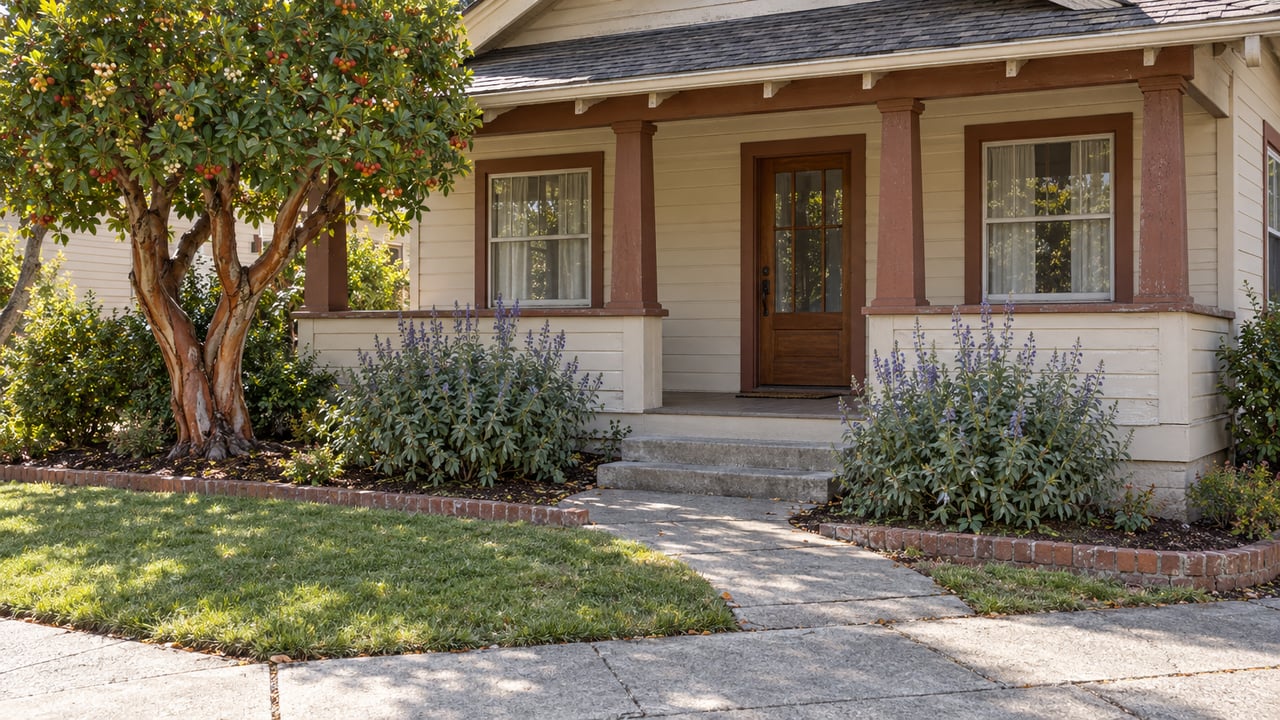
Westside housing does not come from just one era or one style. According to the city’s historic building survey, most residential development on the Westside happened in the 20th century, with examples that include a 1912 Craftsman bungalow on Cleveland Street and a 1946 Art Moderne apartment complex on Second Street.
That history supports a useful takeaway for anyone home shopping here. Westside is better understood as a mix of housing types and architectural periods than as a neighborhood defined by one specific look.
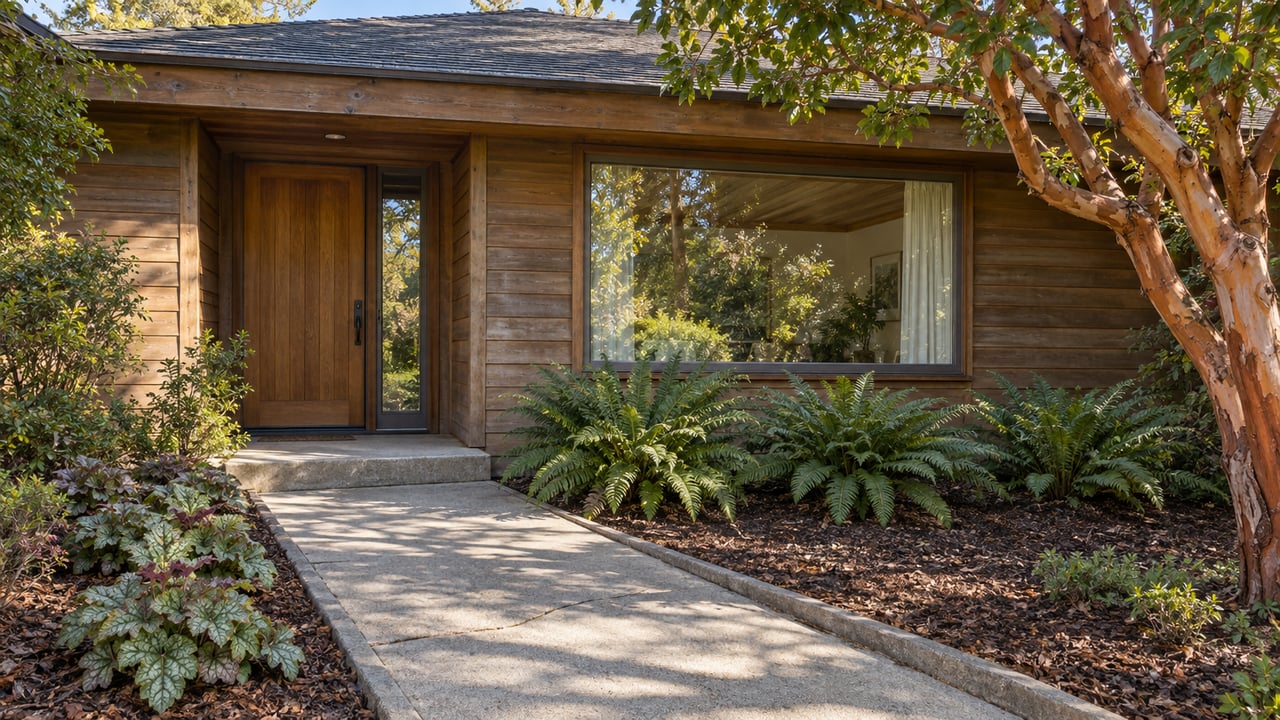
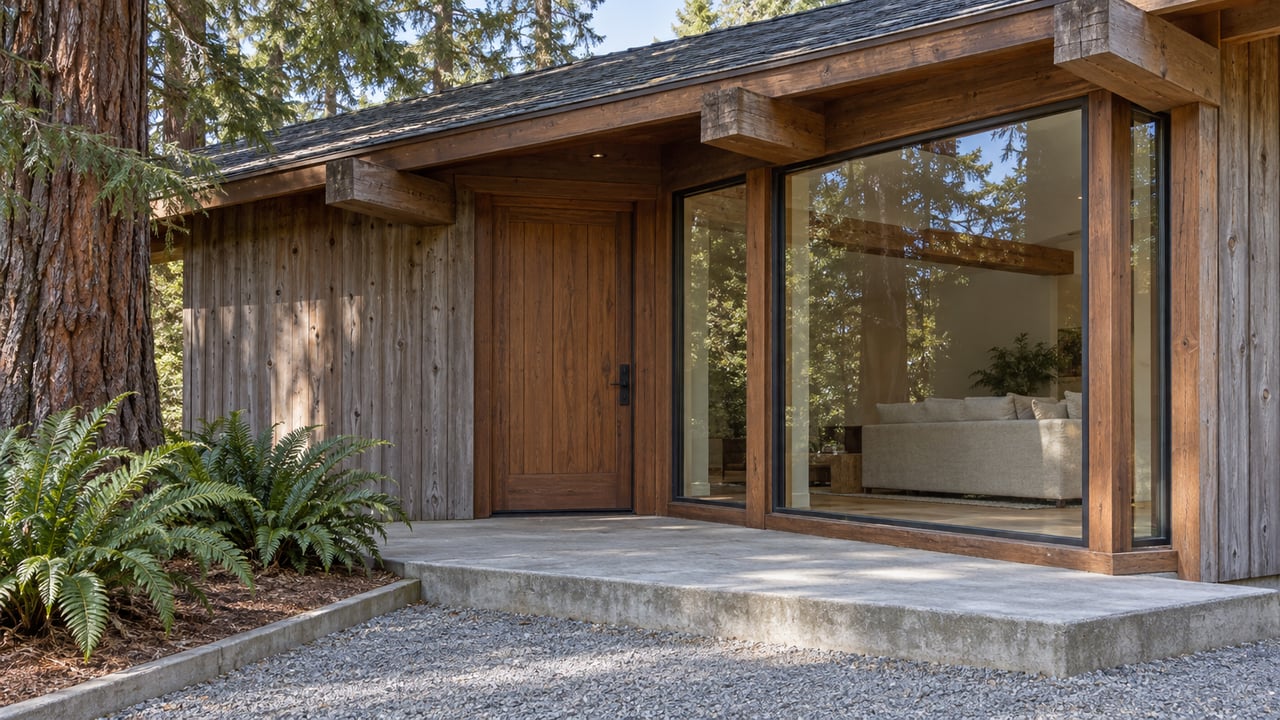
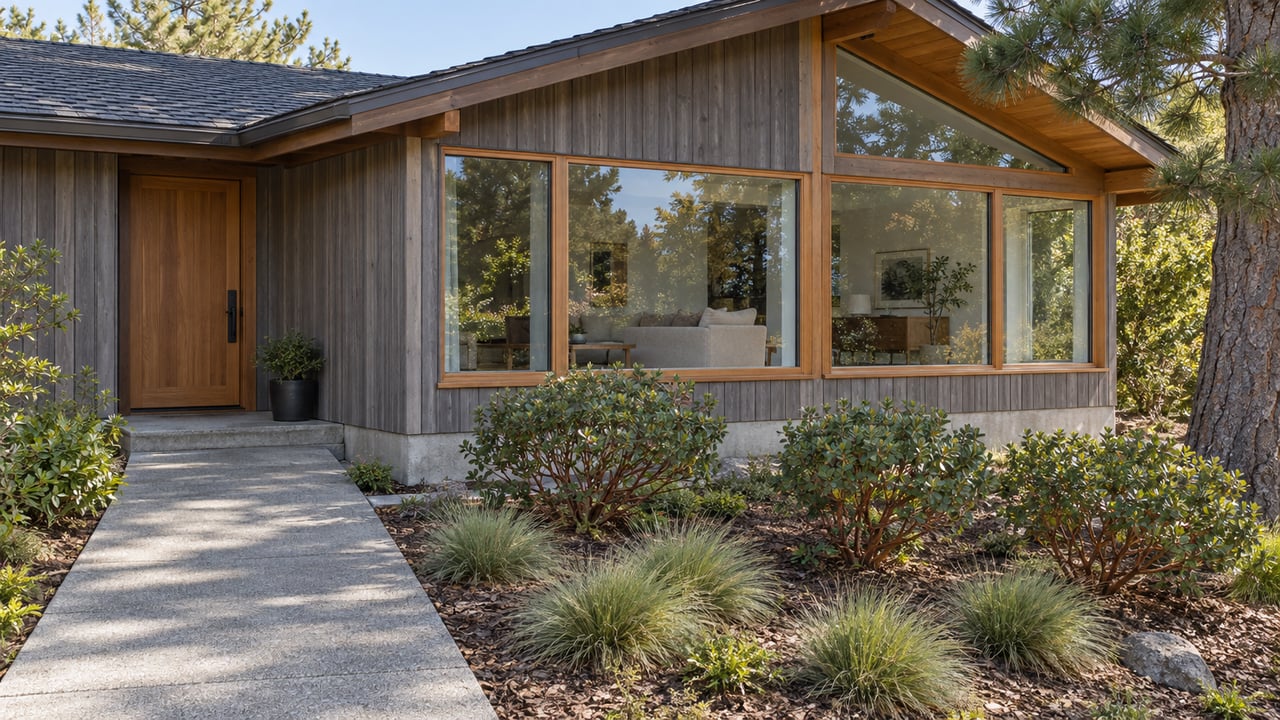
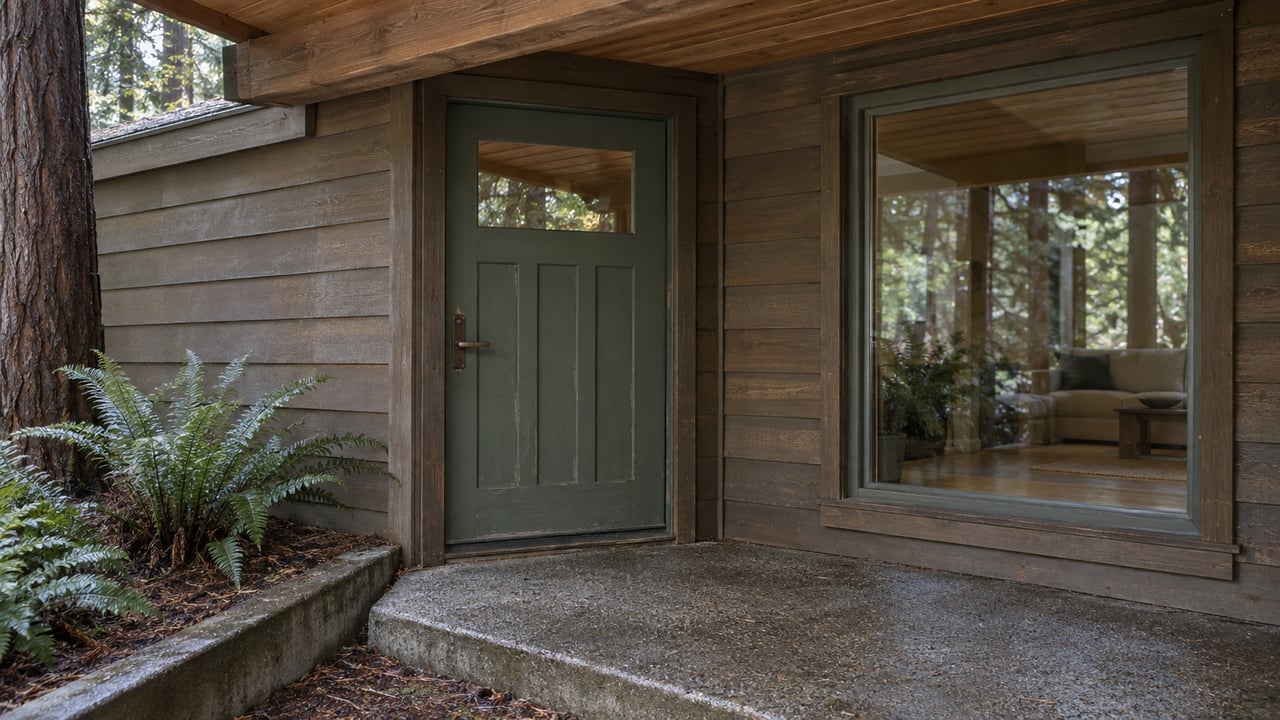
You may see older single-family homes, cottages, bungalows, small apartment buildings, and commercial or mixed-use structures across the broader district. That variety can be appealing if you value character and options, but it also means it is worth looking closely at each micro-area rather than assuming the whole Westside feels the same.
Westside is not frozen in time. City planning files show recent proposals that include an 89-unit mixed-use project at 190 West Cliff Drive, a 100-unit educator workforce housing project at 313 Swift Street, and a 20-unit affordable SRO project at 415 Natural Bridges Drive.
These projects suggest continued infill pressure around some of the neighborhood’s coastal and commercial edges. In other words, Westside remains an evolving part of Santa Cruz, especially where mixed-use and multifamily development can connect to existing corridors.
If you are thinking about buying or selling here, that matters. Neighborhood identity is shaped both by longstanding landmarks and by what is being added over time. Understanding that balance can help you read the market with more context.
Westside often feels different from Downtown Santa Cruz. Downtown is more closely tied to the city’s older historic core, while Westside is shaped more by coast access, Mission Street, and a spread of neighborhood parks.
Compared with Seabright or Midtown, Westside generally comes across as less nightlife-forward. The daily anchors here tend to be West Cliff walks, Natural Bridges, Swift Street destinations, and open-space routines rather than a social scene built around bars, live music, or a beach-entry crowd.
Compared with Live Oak or Pleasure Point, Westside can feel more mixed-use and more connected to Santa Cruz’s western coastal edge. Rather than revolving around a single village-style retail strip, it offers a broader mix of shoreline, parks, housing, and commercial pockets.
The Seymour Marine Discovery Center adds one more dimension to Westside life. Located on UCSC’s coastal science campus, the center offers aquarium exhibits, outdoor tours, and coastal views, and it is open Tuesday through Sunday most of the year.
This gives the area an added educational and recreational resource that fits naturally with the neighborhood’s coastal identity. It is another example of how Westside offers more than one kind of day out. You can move between nature, science, recreation, and casual local stops without leaving the broader area.
Westside Santa Cruz tends to appeal to people who want daily access to the coast without giving up practical neighborhood function. You get scenic paths, parks, beach access, and local commercial nodes, all within a part of town that feels active and varied.
The neighborhood also offers a wider range of built environments than many people expect. Some areas feel residential and quiet, some feel closely tied to the shoreline, and others reflect a more mixed-use or corridor-based pattern.
That is why local guidance matters here. Westside is best understood in layers, and the right fit often depends on how you want your everyday life to feel, not just what looks good on a map.
If you are thinking about buying or selling on the Westside, working with a team that understands Santa Cruz block by block can make a real difference. Room Real Estate brings local insight, thoughtful marketing, and concierge-level support to help you move with confidence.
Stay up to date on the latest real estate trends.
You've got questions and we can't wait to answer them.